AI voicebots explanation
AI voicebots are intelligent phone agents that can answer incoming calls, understand spoken language, and respond in a natural, conversational way. Unlike traditional phone menus or voicemail systems, AI voicebots do not force callers to press buttons or wait for a callback. They can recognize intent, provide relevant information, collect caller details, and guide the conversation toward the right outcome. For businesses, this means every call can be handled faster, more consistently, and with less manual effort from the team.
How AI voicebots work
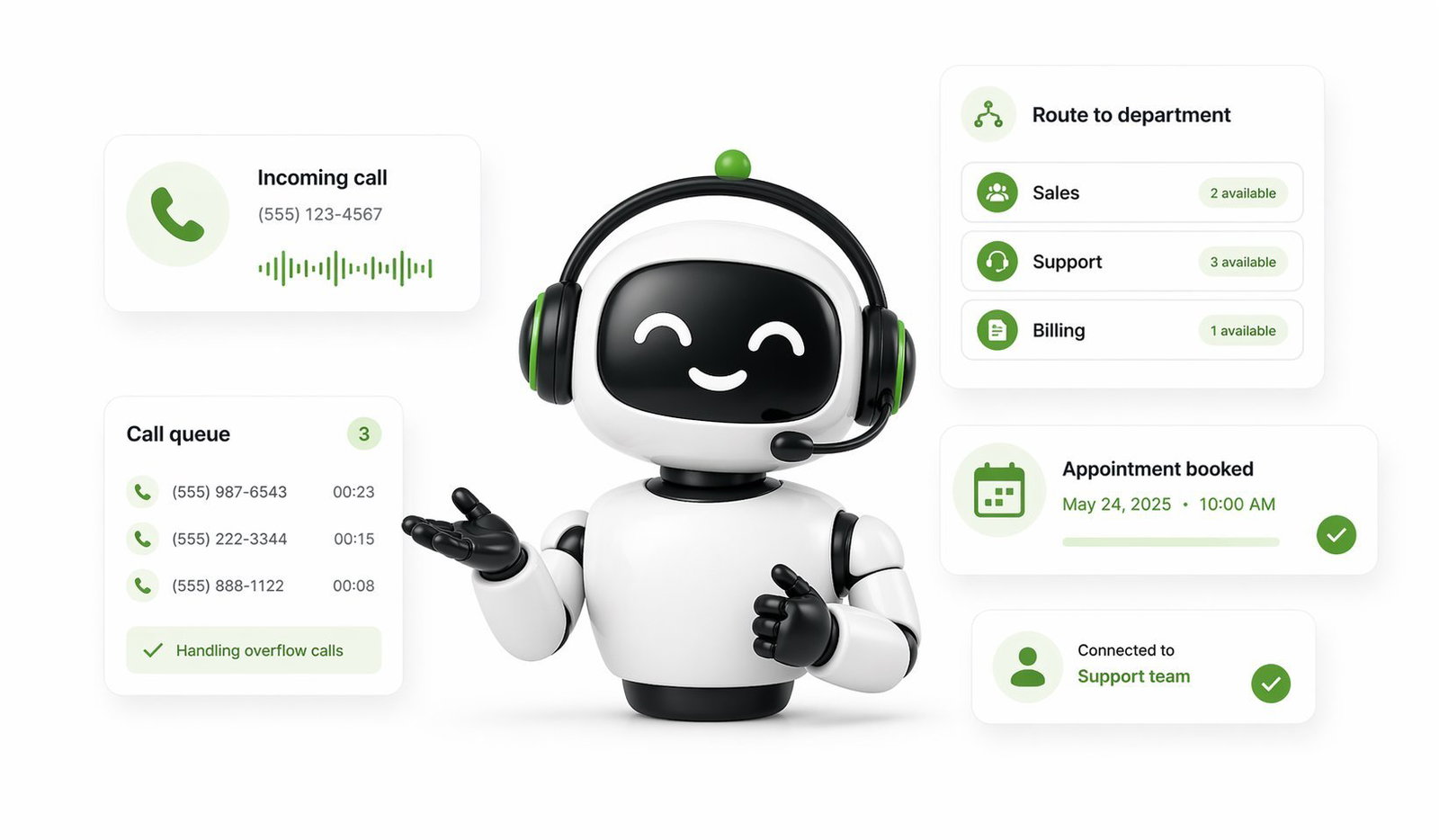
When someone calls your business, the AI voicebot answers with a custom greeting and listens to what the caller says. It identifies the intent behind the request, such as booking an appointment, asking for support, checking an order, or speaking to sales. Based on your configuration, the bot can reply with information, collect data, trigger actions in connected tools, or route the call to the right person. Every interaction follows a clear logic, but the caller experiences it as a smooth, natural conversation instead of a rigid menu flow.
What AI voicebots can do
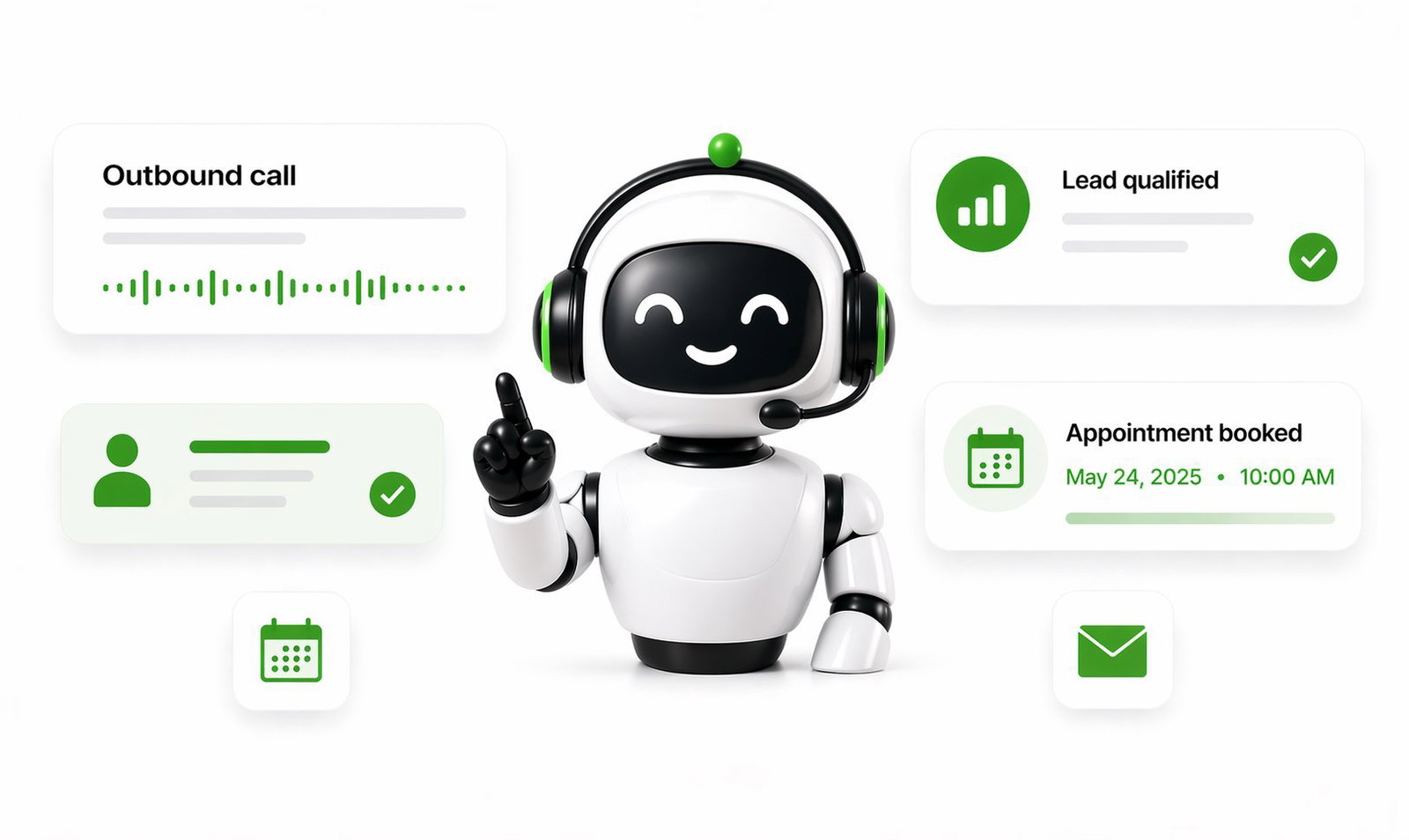
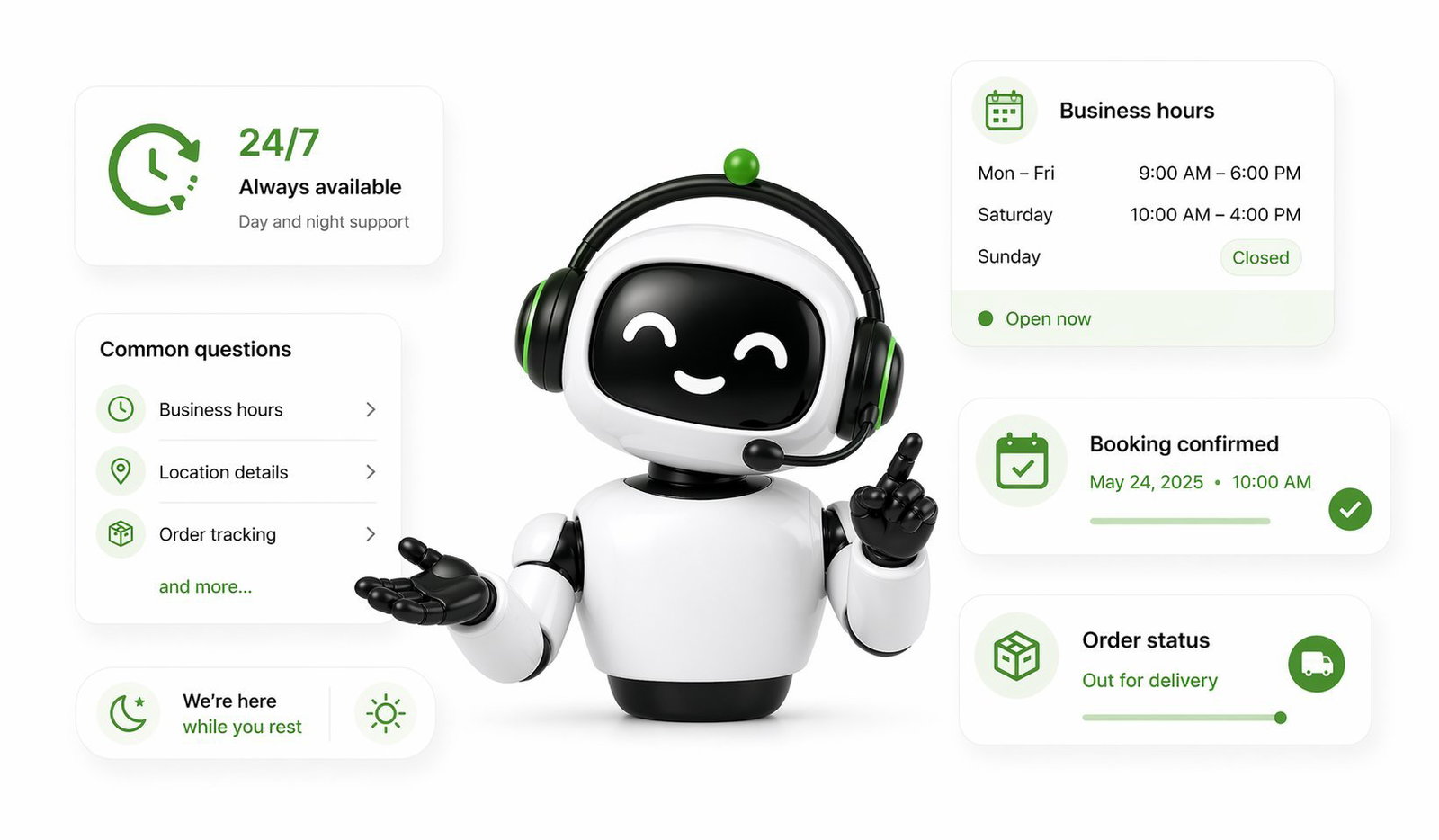
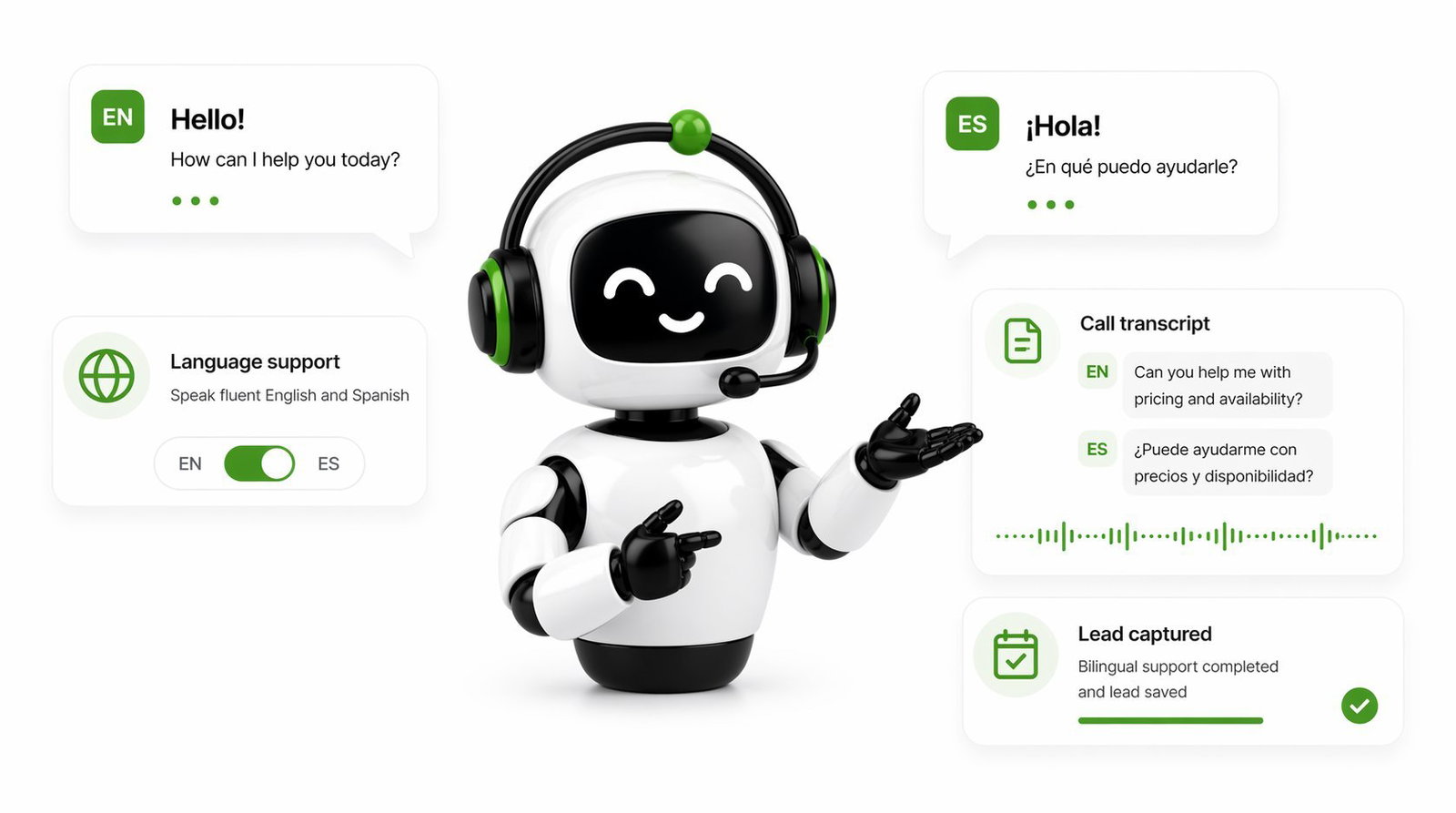
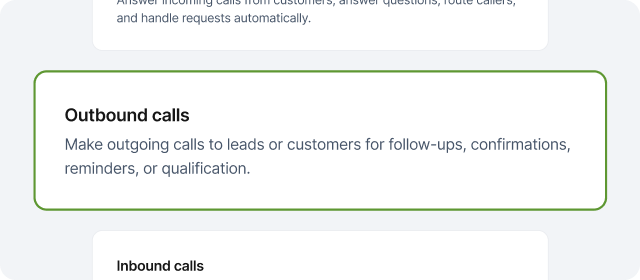
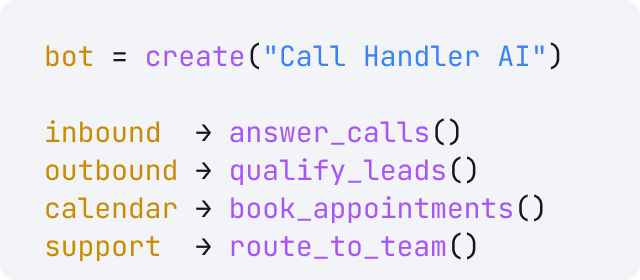
AI voicebots can do far more than answer calls. They can book appointments, qualify leads, answer common questions, route calls by topic, collect customer details, create support tickets, and update CRM systems. They can also handle multilingual conversations, send follow-up confirmations, and provide 24/7 coverage when your team is offline. This makes them useful not only as a replacement for voicemail or IVR, but as an active extension of your sales, support, and operations workflows.
Key benefits for business
The biggest advantage of AI voicebots is that they reduce friction for both callers and your team. Customers get immediate answers instead of voicemail or long hold times. Your business captures more leads, misses fewer opportunities, and delivers a more consistent phone experience. At the same time, your human staff spends less time on repetitive requests and more time on complex or high-value conversations. The result is faster service, better coverage, and a phone channel that works more like a productive business system than a passive inbox.
When you should use an AI voicebot
AI voicebots are especially valuable when your business handles a high volume of incoming calls, receives many repetitive questions, or loses opportunities outside working hours. They are a strong fit for appointment-based businesses, support teams, service companies, logistics operations, and sales-driven organizations that need fast response times. If your team is often interrupted by routine calls, or if callers struggle to reach the right department quickly, an AI voicebot can remove that bottleneck and make the entire phone experience more efficient.
Real-world use cases
Businesses use AI voicebots in many practical ways. Clinics use them to book appointments and answer availability questions. Service companies use them to capture new inquiries and route urgent requests. E-commerce teams use them for order status, returns, and delivery questions. Support teams use them to triage callers and create structured tickets. Sales teams use them to qualify leads before handing them to a human rep. In each case, the value is the same: faster handling, better routing, and fewer missed conversations.
AI voicebots vs traditional IVR
Traditional IVR systems ask callers to listen to menus and press numbers to continue. Voicemail systems capture a message but delay the response. AI voicebots offer a better alternative by letting callers speak naturally and get help immediately. Instead of navigating a tree of numbered options, people can simply say what they need. The system then understands the request and takes the next step, whether that means answering, booking, logging, or routing. This creates a more modern, human-friendly phone experience while giving businesses better control and visibility.


 Austria
 Belgium
 France
 Germany
 Italy
Italy Netherlands
 Poland
 Spain
Spain Sweden
 United States